

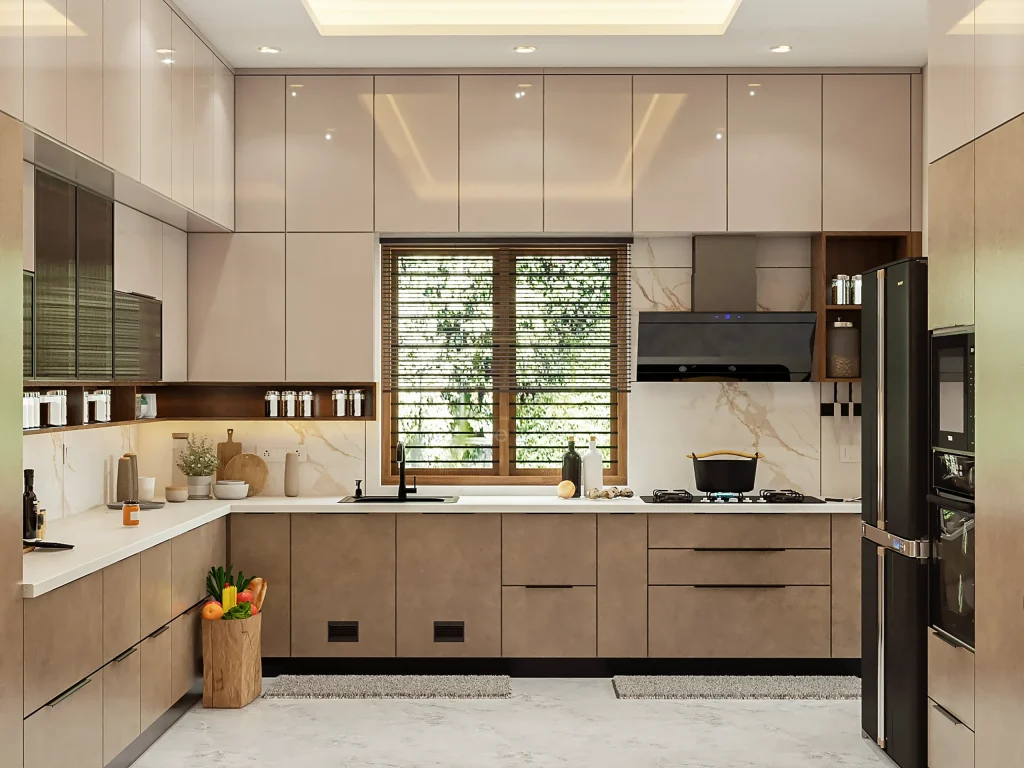
Let’s talk about home. It’s where we feel safest, most ourselves. But what happens when that home—specifically the kitchen or laundry room—starts to feel like an obstacle course? For families embracing aging in place or living in multi-generational homes, this isn’t a hypothetical. It’s a daily reality.
That’s where adaptive and accessible appliance design comes in. It’s not just about ADA compliance or clinical-looking products. Honestly, it’s about smart, thoughtful design that empowers independence at every age and ability. It’s about creating a kitchen where a grandparent, a parent, and a teenager can all cook together—comfortably. Let’s dive into how this shift is reshaping our living spaces.
Why “Universal Design” is the Heart of the Matter
You might have heard the term “universal design.” At its core, it’s the idea that products and spaces should be usable by all people, to the greatest extent possible, without the need for adaptation. Think of it like a curb cut. Designed for wheelchair users, but oh-so-useful for someone pushing a stroller, a rolling suitcase, or a grocery cart.
That’s the philosophy now driving the best accessible appliance design. It’s not designing for a “special” group; it’s designing for human diversity. For the person with arthritis, the tall teen, the parent holding a baby, or the retiree who wants to stay put. The goal? To make daily tasks simpler, safer, and frankly, more enjoyable for everyone under one roof.
Key Features of Adaptive Kitchen Appliances
So, what does this look like in practice? Well, forget the clunky, institutional gear of the past. Today’s adaptive appliances blend seamlessly into modern kitchens while packing a punch of functionality.
Refrigerators: More Than Just Cold Storage
Modern accessible refrigerators are game-changers. Side-by-side models with narrow door swings are great, but the real stars are French-door designs with bottom freezers. Why? The fresh food section is right in the middle, minimizing bending and stretching. Add features like:
- Pull-out shelves and lazy Susans: No more digging in the back. Everything glides into view.
- Door-in-door access: Grab milk or condiments without opening the main cavity, saving energy and effort.
- Easy-open doors: Handles you can hook a forearm or elbow into, requiring minimal grip strength.
Ovens and Ranges: Safety and Ease at Every Height
Heat and heavy lifting are major concerns. Here’s how design is tackling that:
| Feature | Benefit for Aging in Place / Multi-Gen Homes |
| Wall ovens at counter height | Eliminates dangerous bending to lift a heavy roast. Perfect for wheelchair users or anyone with balance issues. |
| Induction cooktops | The surface stays cool to the touch; only the pan heats. Safer for curious kids and adults alike. Plus, they’re incredibly energy-efficient. |
| Front-control panels & side-swing oven doors | No reaching over hot burners or doors. Controls are clear, often with large, tactile buttons or touchscreens with high contrast. |
| Smart oven features (voice control, app monitoring) | “Hey Google, preheat the oven to 375.” Voice commands aid those with limited mobility. Remote monitoring prevents overcooking or accidents. |
Dishwashers: Raising the Standard
Ever loaded a dishwasher on your knees? It’s no fun. Raised or drawer-style dishwashers are a revelation. Installed at counter height, they completely do away with the deep bend. Drawer models offer two independent units—you can run a small load upstairs while a big one runs below. It’s efficiency meets accessibility.
Laundry Rooms: An Often-Overlooked Frontier
Laundry is a universal chore, but it can be a backbreaker. Literally. Forward-thinking design for multi-generational homes is fixing this.
- Front-loading washer/dryer pairs on pedestals: The pedestal isn’t a luxury; it raises the drum to a comfortable height, reducing strain. Some even are storage drawers.
- Clear, simple dials and digital displays: High-contrast, well-lit controls with intuitive settings. Less squinting, less confusion.
- Voice alerts and app notifications: A chime you can actually hear from another room, or a phone alert when the cycle is done. No more forgotten wet loads.
The “Smart Home” as an Accessibility Partner
Here’s the deal: smart technology is perhaps the most powerful tool for adaptive living. It’s the invisible helper. Smart appliances can learn routines, be controlled remotely, and provide peace of mind.
Imagine a stove that automatically shuts off if it detects no movement after a certain time. Or a refrigerator that can inventory its contents and suggest recipes based on what’s inside, displayed on a large, clear door screen. For someone with memory challenges or vision impairment, these aren’t gadgets—they’re lifelines that promote confidence and independence.
Planning and Integration: It’s About the Whole Ecosystem
Buying one accessible appliance is a start, but the real magic happens when you consider the kitchen or laundry room as a system. This is crucial for successful aging in place design. Think about workflow and clearances.
- Create landing spaces: Counter space next to the fridge, oven, and microwave for transferring hot or heavy items.
- Mind the floor: Non-slip flooring is a must. Ensure there’s a clear, wide path (at least 36 inches) for maneuverability, especially if a walker or wheelchair is in the picture.
- Lighting is everything: Layer it. Under-cabinet task lighting to eliminate shadows on countertops, and good overall ambient light. Motion-sensor lights can be a blessing in the middle of the night.
The beauty of this approach? These features don’t scream “accessible home.” They whisper “well-designed home.” A home that respects its inhabitants.
A Final Thought: Design as Dignity
At the end of the day, adaptive appliance design isn’t really about the stainless steel or the Wi-Fi connectivity. It’s about dignity. It’s about preserving the simple joy of making a meal for your family or the independence of doing your own laundry.
As our demographics shift and more families choose to blend generations under one roof, this thoughtful approach to design stops being a niche consideration. It becomes… well, just good design. The kind that acknowledges that ability is fluid, that needs change, and that home should be a place that adapts with us—not a challenge to be overcome.


