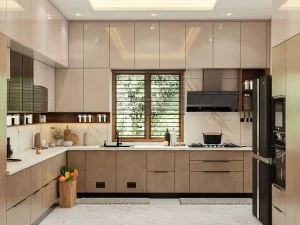
Let’s be honest—the modern home is a living, breathing thing. It’s not just a collection of rooms anymore. It’s a hub where grandparents, parents, and young kids all move to different rhythms. And the heart of that hub? It’s often the kitchen and laundry room, spaces defined by their appliances.
So, how do we make these essential tools work for everyone? From a teen with their first load of laundry to an aging parent who finds standard knobs frustrating, appliance integration is the key. It’s about blending smart technology with universal design principles to create a home that adapts, rather than one that imposes limits.
Why “One-Size-Fits-All” Doesn’t Fit Anymore
For decades, appliance design was pretty static. Sure, colors changed and features got fancier, but the core interaction—bending, reaching, squinting at tiny text—stayed the same. That’s a real problem in a multigenerational household.
Think about the simple act of using an oven. For someone with arthritis, a smooth, gliding rack is a blessing. For a person in a wheelchair, side-swing doors are a game-changer compared to drop-down ones. And for a busy parent trying to wrangle dinner while helping with homework? Voice control isn’t a luxury; it’s a sanity saver.
The goal here isn’t to create a clinical, hospital-like environment. Far from it. It’s about creating seamless, inclusive living spaces where the technology fades into the background, empowering everyone to participate. That’s the real magic of thoughtful appliance integration.
Core Principles of Accessible Appliance Design
Okay, let’s get practical. What should you actually look for? Well, it boils down to a few key ideas that work together.
1. Universal Design & Ergonomic Ease
This is the foundation. It means products are usable by the widest range of people without adaptation. For appliances, this translates to:
- Front-Control Ranges: Eliminates the dangerous reach over open burners. A must-have for safety, honestly.
- Raised Dishwashers & Laundry Centers: Installing these at a comfortable height (even on a pedestal) reduces painful bending and stooping.
- Lever-Style Handles: Easier to grip than knobs for hands with limited strength or dexterity.
- Clear, High-Contrast Controls: Large, backlit digital displays or tactile markings. No more guessing if the dial is on “wash” or “rinse.”
2. Smart Home Synergy
Here’s where technology becomes a true ally. Smart appliance integration isn’t just about preheating your oven from the couch. In a multigenerational home, it’s about remote monitoring and control that provides peace of mind for the whole family.
Imagine your mom can start her laundry cycle with a simple voice command to a smart speaker. You can get an alert on your phone if the fridge door is left ajar. Or a caregiver can confirm from another room that the stove was properly turned off. It creates a connected safety net.
3. Sensory & Cognitive Considerations
This is an often-overlooked layer. Appliances can be loud, flashy, and confusing. Better design calms the chaos.
Look for models with quiet operation (especially for dishwashers) to reduce overstimulation. Haptic feedback—a physical confirmation button press—can be more intuitive than a silent touchscreen. And simple, intuitive interfaces with picture-based icons help users with cognitive differences navigate settings independently.
Practical Integration: A Room-by-Room Glance
Let’s make this tangible. Here’s a quick breakdown of what to prioritize in key home areas.
| Room | Priority Features | Why It Matters |
| Kitchen | French door or side-swing oven; drawer-style microwave; refrigerator with easy-glide shelves. | Minimizes bending, reaching, and heavy lifting. Creates clear floor space for mobility aids. |
| Laundry | Front-loading washer/dryer on pedestals; voice-activated cycles; bold, audible end-of-cycle alerts. | Brings the load to you, not the other way around. Makes the process manageable for all strength and ability levels. |
| Throughout | Smart hubs (Google Home, Alexa) for unified voice control; smart plugs for “dumb” appliances. | Creates a single, simple command center for multiple tasks, reducing the learning curve on individual devices. |
Navigating the Trade-Offs (Because They Exist)
It’s not all smooth sailing. Integrating appliances for accessible living spaces sometimes means making choices. A deeper sink for wheelchair access might mean more bending for a taller person. The sleek, flat touch control panel on a new range? It can be a fingerprint-covered mystery for someone with low vision compared to tactile knobs.
The solution isn’t perfection—it’s conversation and customization. It’s about identifying the primary needs in your specific home and finding the best-fit solutions. Sometimes, a simple aftermarket product, like a knob turner for a stove, bridges the gap beautifully between standard design and individual need.
The Future is Adaptive, Not Just Smart
We’re on the cusp of something really interesting. The next wave isn’t just about appliances you can talk to. It’s about appliances that can… listen. And learn.
Think of a stove that can detect pot boil-overs and auto-adjust. Or a washer that recommends the optimal cycle based on the load it senses. For the overwhelmed new parent or the senior managing energy levels, this predictive, simplifying intelligence is where true accessibility is headed. It reduces the cognitive load—the number of decisions you have to make—which is a form of ease we all can appreciate.
In the end, crafting multigenerational and accessible living spaces isn’t about grand, expensive overhauls every time. It starts with a shift in perspective. It’s about seeing the home as a dynamic ecosystem and choosing the tools—the appliances—that support every member of the family’s autonomy and dignity.
Because a home that works for everyone isn’t just a nicer place to live. It’s a statement of care, built right into the everyday hum of the dishwasher and the gentle click of the oven door closing.